
Share a little good energy.
Start with a walk through the spaces you use
Take a notebook or your phone from the bedrooms to the kitchen, garage and outdoor living areas. Write down what has changed since last fall: a new freezer, a home office, an EV charger, a room that needs extra heat or a larger holiday display. Those changes help explain where your electrical needs have grown.
Keep this walkthrough to ordinary observations and the user tests described in equipment instructions. Leave electrical covers and wiring alone. A home can look tidy and still have a problem inside an outlet or panel; this checklist cannot certify the wiring or replace a professional inspection.
Check smoke and carbon monoxide alarms
The U.S. Fire Administration recommends smoke alarms in every bedroom, outside each sleeping area and on every level, including the basement. Test them monthly. Smoke alarms generally need replacement 10 years from manufacture; follow the model's instructions for batteries and replacement. A sealed battery is not an invitation to open the alarm.
CPSC recommends CO alarms on every level and outside sleeping areas, with battery power or backup. Check each CO alarm's own replacement instructions. An alarm that beeps when tested may still be past its replacement date.
- Record the alarm location, model and replacement date where you can find them again.
- Arrange help for alarms you cannot reach safely, and ask about suitable notification devices if someone cannot hear the alarm.
- Discuss the escape route and outside meeting place with everyone at home.
Give GFCI testing a place on the calendar
Ground-fault circuit interrupters help reduce shock risk. CPSC recommends testing GFCIs at least monthly, after installation and after a power failure, following the manufacturer's instructions. Use the device's designated TEST and RESET controls as directed.
Plan for the interruption before testing: another outlet or an appliance may be protected by the same device. Account for refrigeration, computers and anything that must stay powered. If you cannot identify the protection or safely interrupt it, ask for help.
If a GFCI does not perform its test correctly, will not reset or trips repeatedly, stop using the affected outlet and contact a qualified electrician. Repeated resetting is not a repair, and a failed test does not tell you the cause.
Decide where a space heater can safely go
Before using a stored heater, check its condition, instructions and model against product recalls. CPSC says to plug an electric space heater directly into a wall outlet, never an extension cord or power strip, and keep at least three feet between it and combustible materials such as bedding, furniture and curtains. Turn it off before sleeping; follow the heater's instructions about supervision and placement.
The convenient outlet behind the sofa may not be a suitable heater location. Think about the cord route, pets and children, furniture movement and what else you normally run nearby. Two outlets in different rooms may share a circuit. If using a heater causes a breaker to trip, stop using that setup and have the circuit evaluated.
- Keep the manufacturer's required clear space throughout use, including after someone moves a chair or curtain.
- If a room needs supplemental heat every day, discuss the heating problem and the electrical supply before buying a larger heater.
Look over outdoor power before decorating
From a safe, dry position, look for broken outlet covers, damaged light fixtures and cords with visible wear. Do not open boxes, touch wet equipment or try to seal a damaged outlet with tape. Have an electrician assess damaged equipment and the protection needed for how you intend to use it.
Bring holiday lights out of storage before installation day. Check their labels and instructions for outdoor use, connection limits and safe mounting. Set aside damaged sets. Decide where the cords will go without pinching them in doors or leaving a trip hazard across a walkway.
Review the areas you want lit: steps, the driveway, the side gate and the route from parking to the door. Write down dark spots and controls that no longer work. That gives an electrician a more useful starting point than simply asking for brighter lights.
Notice wear, recurring trips and changes
NFPA advises replacing damaged electrical cords, keeping cords out from under rugs and away from pinching, and using extension cords only temporarily. If everyday equipment needs a web of cords, list the permanent outlet locations you would actually use.
Loose plugs, discolored outlets, unusual warmth noticed during normal use, burning odors and recurring breaker trips deserve professional attention. Stop using affected equipment. Do not deliberately touch a breaker or outlet to test its temperature, recreate sparks or remove a panel cover to investigate.
Keep the path to the electrical panel accessible. Record existing circuit labels and any previous inspection paperwork for your electrician. If you see water near electrical equipment, keep away; do not approach a wet panel to operate it. Active smoke, fire or immediate danger calls for leaving the area and calling 911.
Review backup power before an outage
Gather flashlights, charging supplies and the utility's outage-reporting information. If someone depends on powered medical equipment, arrange an outage plan with their care team and equipment provider; a household generator alone is not that plan.
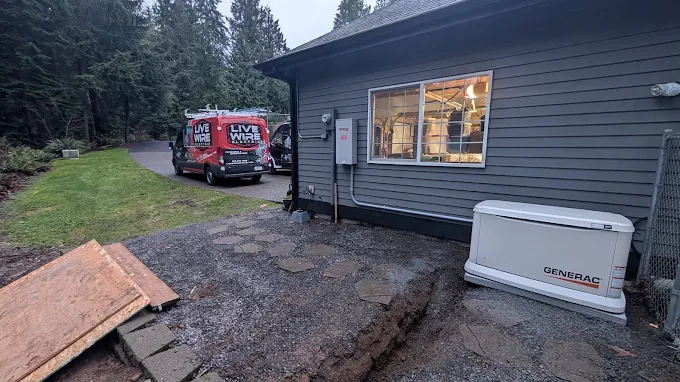
For an installed standby generator, review the exact model's maintenance schedule, service record and unresolved alerts. Arrange any overdue service. Portable generators have different operating requirements: CPSC says to run them outdoors, at least 20 feet from homes, with exhaust directed away. Never run one in a garage, even with the door open. If a CO alarm sounds or you suspect poisoning, get outside to fresh air and call 911.
Turn your notes into a manageable plan
Separate problems that need prompt attention from routine maintenance and improvements. A damaged outlet should not sit behind a wish list for decorative lighting. Keep anything with a suspected fault out of use until it has been assessed.
For the service conversation, share the room, what happened, when you first noticed it and which equipment was running. Add photos only when you can take them safely. Ask what the inspection will cover, which repairs are priorities and whether a proposed change needs additional circuit capacity.
Keep the completed work and your next test dates in the same household record. That way, next fall starts with a useful history instead of another search for the alarm manual.
Helpful sources
Official guidance for a closer look.

From our crew to your home.
Live Wire Electric
We’re your Lynnwood-based electrical crew, helping homeowners understand their options and plan their next step.
Meet your local crewA good idea is better shared.