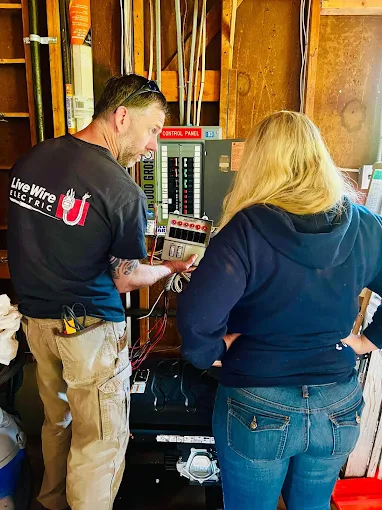
Share a little good energy.
Explain the decision you need to make
Tell the contractor whether you are reviewing a purchase report, investigating recurring problems or preparing for an EV charger, heat pump or remodel. Send earlier findings and equipment details before the appointment. A focused follow-up on one concern and a broader review of accessible equipment need different scopes.
Mention repeated trips, unusual buzzing, burning odors or shocks when booking; they may need prompt attention instead of waiting for a routine visit. Stop using affected equipment and seek qualified help. For maintenance planning, discuss the home's condition, changes and inspection history rather than relying on one fixed interval for every house.
Know which kind of inspection you need
Three services may appear in the same home project. Confirm which one you are arranging and who will provide it:
- A general home inspection covers multiple systems. Washington's standards include accessible electrical observations and representative device checks, with findings that may need a licensed electrical contractor's evaluation.
- An electrician's assessment addresses the agreed electrical concerns, equipment and tests. It can explain a finding, investigate a symptom or help define corrective work.
- A permit inspection is performed by the responsible inspection authority, generally L&I or the city that issued the permit. It reviews the permitted installation against applicable electrical requirements; a contractor's report does not replace that approval.
Agree on the scope before the visit
Ask which panels, rooms, outbuildings and equipment are included, whether device testing is representative or more extensive, and what documentation you will receive. Mention solar, batteries, generators, hot tubs or other specialized systems so the contractor can confirm the appropriate expertise and assessment scope.
Clarify whether the price includes troubleshooting, a written summary or a repair estimate. Additional testing, opening finishes and corrective work should be separately identified and agreed where needed. Property size, access, the number of systems and documentation requirements affect the visit; ask for a time estimate based on those details.
Review accessible service and panel conditions
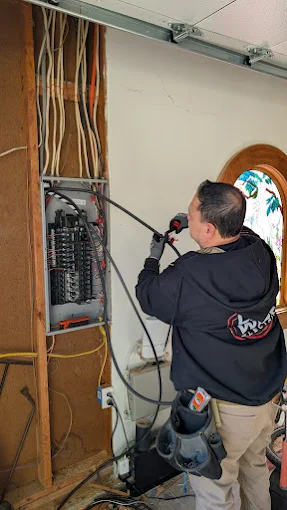
The agreed review may cover equipment identification, apparent ratings, damage, signs of overheating or moisture, circuit identification and accessible grounding and bonding connections. The electrician can assess observed conductor and overcurrent-protection arrangements and explain where further investigation is needed.
A panel's label and empty breaker positions do not establish capacity for a new major appliance. Tell the contractor if a load assessment is part of your goal. Removing covers, taking electrical measurements or maintaining connections requires professional procedures; a routine visual review should not be described as automatically tightening every connection.
Walk through devices and visible wiring
A room-by-room review can identify damaged outlets, loose-fitting plugs, missing covers, fixture concerns and visible wiring damage. Include kitchens, bathrooms, the garage and outdoor areas in the scope discussion. An outdoor outlet's exposure and cover are relevant even when it still supplies power.
Have the electrician describe any older wiring found and what was actually observed. A visible cable segment cannot establish the condition of its whole route. If smoke or carbon monoxide alarm questions are part of your concern, ask explicitly whether placement, age, power and functional checks are included rather than assuming an electrical visit covers every alarm.
Understand grounding, GFCI and AFCI findings
Grounding and bonding, ground-fault protection and arc-fault protection are separate checks. A GFCI helps protect against serious shock from a ground fault. An AFCI helps address fire hazards from dangerous arcing. CPSC explains that these devices have different purposes. Some products provide both protections, so have the actual device identified.
GFCI protection does not create an equipment-grounding connection where one is absent. Three slots in an outlet also do not prove that it is grounded. Ask the electrician to explain what was verified, any labeling or repair needed, and where protective devices are required or recommended for the actual installation. Testing should follow the equipment manufacturer's instructions.
Prepare access and plan for interruptions
Clear normal walking routes and movable storage around electrical equipment without opening enclosures. Arrange permission to enter occupied rooms and identify locked areas. Tell the crew about difficult attic or crawlspace access, water, animals or other hazards; let them decide how to approach those spaces safely.
Testing may interrupt power. Discuss medical equipment, computers, refrigeration, pumps and security systems beforehand so the visit can be planned around them. Keep children and pets away from the work area. You can gather records and describe symptoms without exposing wiring or recreating a fault.
Make the limits part of the findings
An accessible-system assessment cannot confirm every connection behind walls, beneath floors or inside inaccessible equipment. An intermittent problem may not appear during the visit. Ask the report to identify inaccessible areas, tests not performed and observations that remain uncertain.
If the findings justify targeted investigation, discuss the proposed access, electrical testing, possible disruption and finish restoration before proceeding. A clear report explains what was learned and what remains unresolved; it does not guarantee that concealed defects or future failures are impossible.
Leave with a prioritized written plan
Ask for findings tied to locations and equipment, with photographs where useful. Separate observed safety concerns, required corrections, recommended improvements and items needing further investigation. An older installation should not simply be called grandfathered without explaining the basis and any safety concern.
For each proposed action, clarify its reason, urgency, scope and how completion will be documented. Confirm permits and inspections for corrective work with the contractor; L&I assigns hired contractors responsibility for their required permits and inspections. Keep the assessment, approved repair scope and completion records together so the next decision starts with useful information.
Helpful sources
Official guidance for a closer look.

From our crew to your home.
Live Wire Electric
We’re your Lynnwood-based electrical crew, helping homeowners understand their options and plan their next step.
Meet your local crewA good idea is better shared.