Share a little good energy.
The right service size starts with the load
A 100 amp service can be adequate for some homes. A 200 amp service provides a higher current capacity, but the number alone does not tell you whether either option fits your project. Existing equipment, planned additions and the condition of the electrical system all matter.
The useful question is: can this home's service safely support the proposed electrical load? A qualified electrician answers that through an assessment and the applicable load calculation. House size contributes to the calculation, but a square-footage chart cannot account for your specific heating equipment, water heater, vehicle charging and other appliances.
Service capacity, panel ratings and spaces are different
The electrical service brings power from the utility into your home. The panel distributes power to individual circuits. A panel's equipment rating, the installed service rating and the number of available breaker spaces describe different things.
A panel labeled for 200 amps does not by itself establish that the home has a 200 amp service. The electrician verifies the service equipment, conductors, protection and utility arrangement together. Likewise, adding a subpanel can provide circuit spaces where the design permits it, but does not create more capacity at the utility service.
Why adding up breaker numbers gives the wrong answer
The ratings printed on branch breakers are not a running total of the electricity your home uses. Adding those numbers together is not a residential service load calculation. Neither is checking one moment's usage or relying only on a monthly electricity bill.
The electrician uses the applicable calculation method, equipment information and permitted demand factors to assess the proposed installation. Ask for the result in plain language: the existing service capacity, the calculated load with your additions, and any conditions the recommendation depends on. If a particular charging limit or equipment choice is part of the design, it should be documented.
Bring today's equipment and tomorrow's plans
Two homes of the same size can have different electrical needs. Replacing gas equipment, adding a second vehicle or including electric backup heat can change the assessment. Give the electrician the actual model specifications when available, and separate definite purchases from possibilities.
A useful planning list includes the following. You do not need to work out the amperage yourself; the goal is to avoid leaving a major part of the project out of the discussion.
- Heating and cooling equipment, including any electric backup heat.
- Water heating, cooking and laundry appliances you plan to replace.
- EV charging equipment, vehicle count and your usual charging window.
- A hot tub, workshop, addition or accessory dwelling unit.
Ask whether load management is a workable alternative
An appropriately designed energy-management system can limit selected loads so an eligible installation stays within its approved capacity. For example, a compatible EV charging system may reduce or pause charging when other demand is high. This can be worth comparing with a service upgrade when your equipment and local requirements allow it.
A charging schedule or a product described as smart does not automatically qualify as a capacity-management solution. Ask what equipment and controls the design requires, how charging changes in normal use, and whether the permit authority accepts the proposed approach. Seattle's electrical code includes specific conditions and limitations; this is not a universal way to avoid an upgrade or guarantee savings.
The utility and permit authority both have a role
Customer equipment is only part of the picture. Your serving utility must confirm the requirements for a proposed service change. Snohomish County PUD requests service-entrance and electrical-load information when service is installed or modified. PSE also asks customers or installers to contact its construction team when adding a new EV charger to check service support.
A service upgrade requires an electrical permit and inspection. Washington L&I explains that an electrical contractor must obtain the permit for the work it performs. The responsible inspection authority may be L&I or a city with its own electrical program. Confirm who handles the utility application, permit, disconnect, inspection and reconnection before setting an installation date.
Compare the complete scope, not just the new panel
A quote described as a panel upgrade can cover very different work from one home to another. Ask which components will be replaced and which will remain. The project may involve the panel, service conductors, meter equipment, grounding and bonding, and utility-required changes.
Access, overhead or underground service, excavation, repairs to existing circuits and finish restoration can affect the work. Confirm whether utility charges, permit fees, inspection coordination and any necessary follow-up visits are included. A useful estimate identifies exclusions and explains how additional findings will be priced and approved. A low panel-only price is difficult to compare with a quote that includes the entire service change.
Plan for access and the interruption to power
Ask for the expected outage window and the conditions for restoring power. Equipment delivery, utility availability, inspection and unexpected site conditions can affect the schedule; a service change should not be promised as the same one-day job at every home.
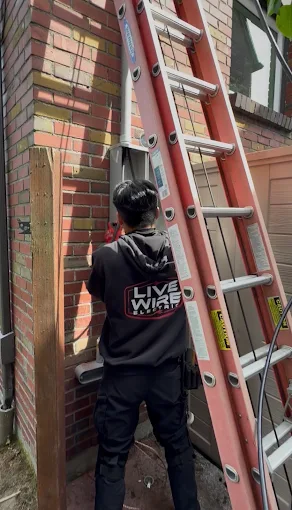
Before the visit, arrange clear access to the panel and exterior equipment, secure pets and plan around work-from-home needs or other equipment that depends on power. Tell the crew about repeated trips or unusual electrical symptoms separately. Those concerns need assessment even if a future upgrade is already being discussed.
Choose a plan you can understand and keep
Before approving work, you should understand why the recommended service size fits your plans, whether alternatives were considered, and what the price includes. Keep the equipment information, written scope, available calculation documentation and final permit records with your home files.
Live Wire Electric helps homeowners in King and Snohomish Counties evaluate panel and service upgrades. Bring your equipment list and project goals to the first conversation. Whether the result is keeping an appropriate existing service, using a qualified management option or upgrading capacity, the decision should follow the assessment.
Helpful sources
Official guidance for a closer look.
From our crew to your home.
Live Wire Electric
We’re your Lynnwood-based electrical crew, helping homeowners understand their options and plan their next step.
Meet your local crewA good idea is better shared.