Share a little good energy.
What changed on October 1, 2026
Snohomish County PUD opened enrollment for its new Peak Assist Program on October 1, 2026. The program itself begins January 1, 2027. It is designed around short periods when electricity demand is high: the PUD says events will last about two to three hours and will be called no more than twice per month.
Peak Assist is voluntary. The PUD says customers will receive advance notices before an event, plus messages when the event starts and ends. The goal is not to turn off your house or make major electrical changes. It is to shift flexible energy use away from a small number of high-demand hours when you can.
Who can enroll, and what the rewards really are
The official drawing rules say participants must be at least 18, live within Snohomish PUD's service territory, be a current PUD electric customer, keep the account in good standing and remain enrolled through the applicable drawing date. That means the utility account matters more than the city name on your mailing address. A Bothell address, for example, should not be assumed to be a Snohomish PUD account without checking the bill.
The PUD advertises a one-time $25 enrollment bill credit after you enroll and complete the first post-event survey. It also offers drawings for $50 monthly bill credits and $200 end-of-year bill credits. Those drawing credits are chances to win, not guaranteed savings. The rules also say you do not have to reduce energy use during an event to earn a drawing entry; completing the post-event survey within three calendar days is what earns the entry, subject to the program rules.
What a Peak Assist event looks like inside a real home
The PUD's own examples are intentionally ordinary: do laundry before or after the event, postpone dishwasher use, avoid a large electric oven when a smaller appliance will do, reduce hot-water demand during the window, pre-heat or pre-cool the house, delay EV charging, charge phones and laptops ahead of time, close window coverings and turn off extra lighting.
That list is useful because it separates flexible loads from essentials. Refrigeration, medical equipment, safety systems and anything your household genuinely needs should remain the priority. Peak Assist is voluntary, so a household should not create discomfort or risk just to participate in an event.
- Move laundry and dishwashing outside the event window when practical.
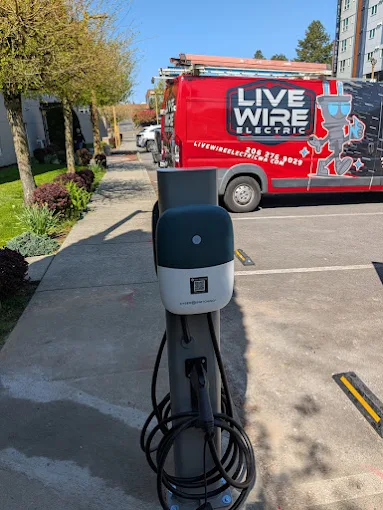
- Delay EV charging until after the event rather than interrupting a trip you actually need.
- Pre-heat or pre-cool moderately before the event instead of forcing extreme thermostat changes.
- Charge portable electronics and battery banks ahead of time.
- Leave essential equipment alone and skip the event if reducing load would create a problem.
You do not need a smart panel, battery or new appliance to participate
Peak Assist enrollment does not require a smart electrical panel, home battery, EV charger, smart thermostat or other electrical upgrade. A homeowner can participate with ordinary behavior changes such as delaying the dryer or dishwasher. Buying equipment solely because this program exists would be putting the cart before the horse.
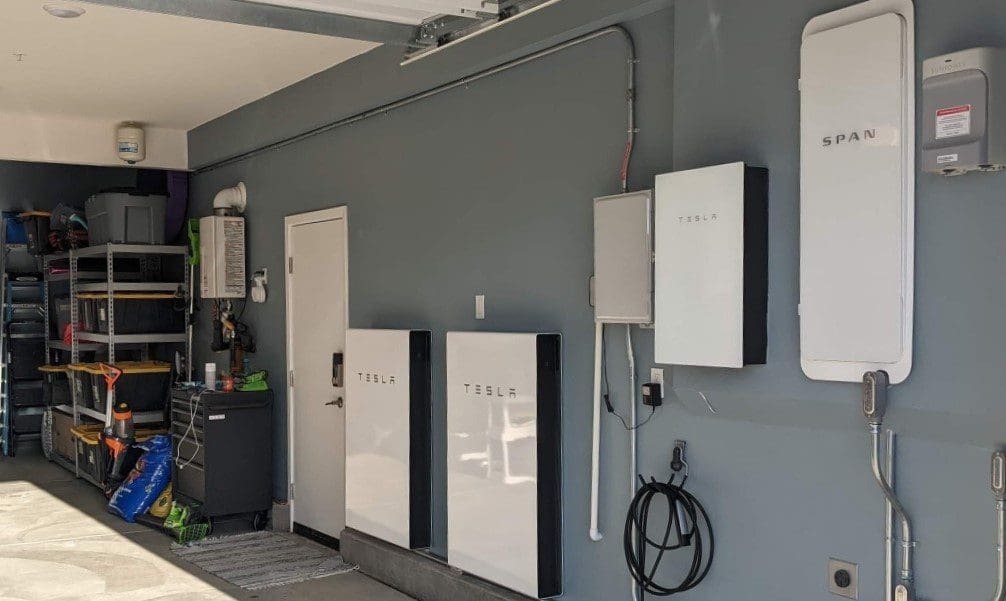
Connected equipment can make load-shifting more convenient when you already want those features. An EV charger with scheduling can move charging automatically. A compatible thermostat can make pre-conditioning easier. A smart panel or energy monitor can help show which circuits are using power. Those are home-improvement decisions with their own costs and benefits; they are not enrollment requirements and they do not guarantee a bill-credit drawing.
A five-minute inventory is more useful than guessing
Before the program starts in January, walk through a normal weekday and list the electric equipment that runs between late afternoon and evening. You are not doing an electrical load calculation. You are simply identifying which tasks are flexible: clothes drying, dishwashing, vehicle charging, electric water heating, cooking and some heating or cooling demand.
Then mark the items that are not flexible for your household. That gives you a practical event plan without opening an electrical panel or trying to measure live circuits. If your home has an energy-monitoring system, you can use its normal owner-facing data to understand patterns, but there is no reason to remove covers or test energized equipment.
When electrical planning actually helps
Peak Assist itself does not create a need for electrical work. The conversation changes when you are already adding a major load such as an EV charger, heat pump, heat-pump water heater, induction range, hot tub or home battery. At that point, it is useful to review the house as a system instead of adding one circuit at a time.
An electrician can assess available service capacity, the panel and proposed circuits, then explain whether the project fits the existing system, needs load management, needs a subpanel or calls for a broader service upgrade. A smart panel is one option, not the default answer. The right scope depends on the existing equipment and the additions you actually plan.
If you add electrical equipment, normal permit rules still apply
Washington L&I says electrical work generally requires a permit and inspection, with limited exceptions. If you hire an electrical contractor, the contractor must purchase its own permit for the work it performs. Some cities handle their own electrical permitting and inspection, while many other addresses use L&I.
Peak Assist does not change those rules. Scheduling an existing EV charger or thermostat is one thing; installing a new circuit, replacing a panel or adding electrical equipment is a separate project. Keep the utility program and the electrical scope distinct so a voluntary conservation program does not become a reason to rush an unplanned installation.
Lynnwood, Everett and Bothell homeowners: check the utility account first
For many Snohomish County homeowners, the first step is simply logging into MySnoPUD and looking for the Peak Assist tile. The PUD says enrollment happens through that account. If you are unsure who serves the property, check the current electric bill rather than relying on the city name or ZIP code.
That is especially useful around places such as Bothell, which spans county and utility boundaries. Live Wire serves Lynnwood, Everett, Bothell and communities throughout King and Snohomish Counties, but Peak Assist eligibility is tied specifically to Snohomish PUD electric service. Customers served by another utility should use that utility's current programs and rules instead.
A practical checklist before January 1, 2027
If Peak Assist sounds useful, enrollment can be the easy part. The more valuable preparation is deciding what you would actually shift during a two-to-three-hour event. Write that plan down once so nobody has to improvise when a notice arrives.
If that exercise exposes a broader electrical project you already wanted to complete, keep it separate and plan it on its own merits. Live Wire Electric can help with EV charging, panel work, home-automation wiring and other electrical upgrades across King and Snohomish Counties. Peak Assist participation itself does not require hiring an electrician.
- Confirm the home is a current Snohomish PUD electric account.
- Enroll through MySnoPUD if you want to participate.
- Choose how you want event notices delivered.
- List two or three flexible loads you can usually delay.
- Keep essentials and household comfort ahead of voluntary conservation.
- Complete post-event surveys on time if you want the enrollment credit and drawing entries.
- Treat any future electrical upgrade as a separate permitted project.
Helpful sources
Official guidance for a closer look.
From our crew to your home.
Live Wire Electric
We’re your Lynnwood-based electrical crew, helping homeowners understand their options and plan their next step.
Meet your local crewA good idea is better shared.