Share a little good energy.
Gas heat still needs electricity
No, a modern forced-air gas furnace will not normally heat your home during a power outage unless a suitable backup system supplies its electrical components. Gas provides the heat, but electricity runs the blower, electronic ignition and controls. Carrier identifies all three as reasons a gas furnace needs electrical power.
A thermostat with a battery-powered screen does not change that. It may still show the room temperature while the furnace has no power to do its job. Gas service remaining available is only one part of keeping the house warm.
For a homeowner in Lynnwood, Bothell or Everett, the useful question is not just “Do I have gas heat?” It is “Does my backup plan include everything my heating system needs?”
A furnace, a heat pump and electric heat need different plans
A gas furnace uses electricity to operate the heating equipment without using electricity as its main source of heat. An electric heat pump uses powered equipment to move heat into the house. Electric resistance heating, including baseboards or heat strips, uses electricity to make the heat itself. Those differences matter when choosing backup power.
With a heat pump, identify the indoor and outdoor equipment plus any supplemental heating. “AUX” or “Emergency Heat” on the thermostat refers to a backup heat source, not a backup electricity supply. That source may be electric heat strips or a furnace in a dual-fuel setup. Either still needs the appropriate power.
Before a generator or battery is selected, have the electrician and your HVAC provider agree on which heating components will operate during an outage. Do not change thermostat wiring or disable heat strips yourself to make a smaller backup system fit.
Size the complete heating load, not just the blower
A furnace fan is a starting point for the conversation, not the entire equipment list. The assessment should account for the furnace controls, other required motors and accessories such as a condensate pump, if your installation uses one. With a split heat-pump system, powering only the indoor unit does not provide normal heat-pump operation.
Ask about both running demand and the power needed when equipment starts. Also identify what could run at the same time: a refrigerator, sump pump or well pump can change the picture. Trane recommends matching backup equipment to the actual heating system; Snohomish PUD likewise distinguishes motor starting demand from ordinary operation.
The furnace’s heating capacity in BTU per hour, the size of the house and the number printed on a circuit breaker are not substitutes for this assessment. A headline generator rating should not be treated as a promise that it will run your particular furnace or heat pump.
Three backup-power approaches to discuss
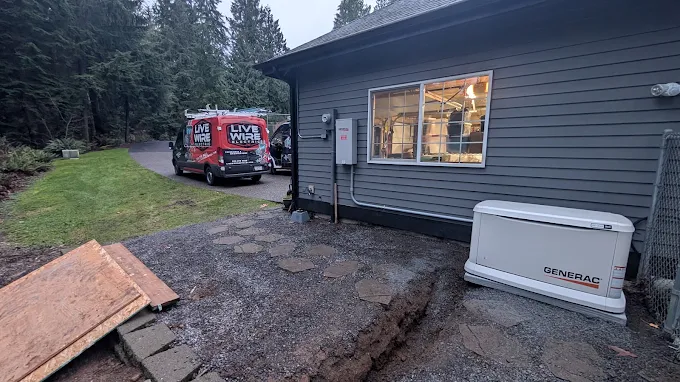
Automatic standby generator: a permanently installed system uses transfer equipment to respond to a utility outage and supply the circuits in the plan. This is worth discussing when you want heating to resume without setting up portable equipment. There is a startup interruption, and the installation still needs suitable fuel, placement, capacity and maintenance.
Home battery: a properly designed battery system can support selected heating loads. Ask two separate questions: can it start and run the equipment, and how long can it support your winter heating demand? The starting battery charge and other appliances affect the answer. Tesla specifically advises limiting energy-intensive loads, including electric heaters, to extend outage runtime.
Portable generator with a professionally designed connection: some heating loads can be supported this way, but buying a portable generator does not make a hardwired furnace ready to plug in. Ask an electrician about the exact generator, compatible transfer equipment and the furnace manufacturer’s requirements before relying on this option. PSE and Snohomish PUD warn against feeding household wiring without proper isolation from the utility.
The right choice is the one that supports your heating goal and your household’s ability to operate and maintain it. A renter or condo owner should involve the property owner or association before planning shared wiring, fuel equipment or an outdoor installation.
Make a heating-first list before asking for a quote
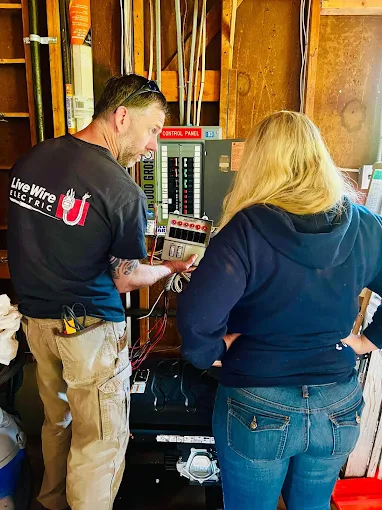
Try a specific request: “We want to keep the gas furnace, refrigerator and selected lights running, and we can leave EV charging and laundry off.” That gives the installer a clearer starting point than “power the whole house.” It is a project brief, not a load calculation.
For homes in Edmonds, Shoreline and other King or Snohomish County communities, the equipment and property details should drive the design. Gather what you can from existing paperwork or safely visible labels. Leave covers in place.
- Heating equipment: make and model of the furnace or indoor and outdoor heat-pump units, plus any supplemental heat shown in the paperwork.
- Other essentials: refrigeration, lights, communication equipment and pumps you want included. Note anything that must not be interrupted.
- Operating expectations: automatic backup or a manual setup, who will be home, and what you will do during an extended outage.
- Installation questions: supported circuits, transfer equipment, fuel or battery requirements, permits, inspection and any work by another provider.
- Handoff: a demonstration of the supported heating operation, written owner instructions and the number to call when a system reports a fault.
Already without power? Keep the next step safe
Check and report the outage through the utility that supplies electricity to your address. Snohomish PUD offers an outage map and text updates; PSE has its own outage reporting and map. Use the electric provider, which may be different from your gas provider. Follow the normal owner instructions for any backup system already installed.
Do not improvise a furnace cord, plug a generator into a wall outlet, bypass a safety control or repeatedly reset equipment to force it to run. Keep away from damaged service equipment and downed lines. If you smell gas, leave the area and call 911 and your gas utility from a safe place. PSE directs customers who suspect a leak to leave first.
Portable generators belong outdoors at least 20 feet from homes, with exhaust directed away from windows, doors and vents, according to CPSC. Never run one in a garage or other enclosed space. That portable-generator rule is not a clearance specification for a permanently installed standby unit; those follow their own approved installation requirements.
Use warm layers and your household’s safe relocation plan if the home becomes too cold. Never use a gas range, oven or charcoal grill for indoor heat. Keep working CO alarms with battery power or backup. If a CO alarm sounds, get everyone outside and call 911 rather than searching for the cause.
Local work, and people who explain the next step
Backup power and storm-damage repair solve different problems. Our published Proof Pulse archive includes an October 2025 service-mast and lead-line replacement in Edmonds after a branch interrupted power to a home. The customer describes Live Wire completing its work before PUD restored service. It is a useful example of coordinated outage-related electrical work, not a claim that the job included a furnace backup installation.
Clear communication matters before the outage, too. In the Google review excerpt republished on our reviews page, Dave Tighe writes: “They answer their phone! They show up on time!” Explore the project stories and customer feedback, then bring the crew your heating and backup priorities.
Plan the electrical side with Live Wire
Live Wire Electric handles the electrical circuit and backup-power side of the project. Your HVAC provider can confirm heating-equipment compatibility and any furnace, fuel or venting work. Start with the system you own, the loads you want included and a written scope that identifies who handles each part.
Our generator installation estimates are free. As checked October 1, 2026, the monthly generator offer advertises up to $1,200 off qualifying 4-star-and-above whole-home backup options, with equipment supplied by Live Wire and installation within our service area. Your written estimate confirms eligibility and exact savings; terms can change. Repair and maintenance visits are separate services.
Use our generator planning page to share your priorities, or call (206) 276-9029. A useful plan should answer one simple question: when utility power stops, what will keep your particular home warm?
Quick answers about furnace backup power
Will a battery-powered thermostat keep a gas furnace running? No. The thermostat’s battery cannot supply the blower, ignition or furnace controls.
Will a small portable generator run my furnace? Possibly, but there is no safe yes-or-no answer from the generator’s headline wattage alone. The equipment, starting demand and approved connection all need to be checked.
Does Emergency Heat work when the electricity is out? Not on its own. It selects a secondary heat source; it does not supply electricity. The heating equipment still needs a suitable power source.
What if power returns but the furnace stays off? Follow its owner instructions and note any externally visible status message. Do not keep resetting it or open electrical compartments. A problem with the supply circuit needs electrical assessment; a furnace operating fault may need your HVAC provider.
Helpful sources
Official guidance for a closer look.
- Carrier: gas furnace components and electrical power
- Carrier: electric heat-pump operation
- Bryant: auxiliary and emergency heat
- Trane: heating-system backup planning
- Snohomish PUD: portable generators and starting loads
- PSE: generator safety
- CPSC: carbon monoxide safety
- Generac: automatic home standby operation
- Tesla: battery use during power outages
- PSE: natural gas safety
From our crew to your home.
Live Wire Electric
We’re your Lynnwood-based electrical crew, helping homeowners understand their options and plan their next step.
Meet your local crewA good idea is better shared.